One Cape Cod village has more Nobel winners than restaurants | When In Your State
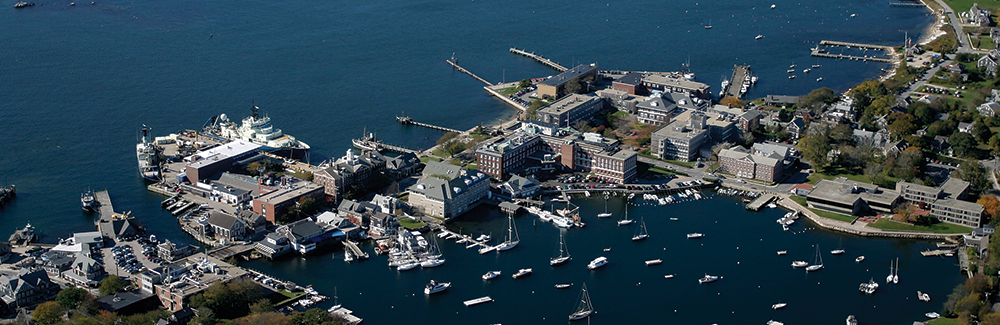
Woods Hole’s science scene is unlike anywhere else
You could walk from one end of Woods Hole to the other in 15 minutes. Fewer than 800 people live here year-round.
But this village on the southwestern tip of Cape Cod has produced more world-changing science than most major universities, sent researchers to the bottom of the Atlantic, and quietly become one of the most intellectually dense places in America.
It also happens to sit where two bodies of water meet, with a lighthouse, a bike trail, and a ferry to Martha’s Vineyard thrown in. The small size is the whole point.
From Wampanoag fishing grounds to whaling port to science capital
The Wampanoag people fished these waters long before European settlers arrived in the late 1600s. By the early 1800s, the village had turned into a whaling hub.
Then in 1871, Spencer Baird, the country’s first Fish Commissioner, set up a federal research station here.
The Marine Biological Laboratory followed in 1888, and the Woods Hole Oceanographic Institution opened its doors in 1930.
That’s three generations of scientific institutions layered on top of each other in a village with fewer people than a small apartment complex.