The Mystery of Dark Oxygen | The New Yorker
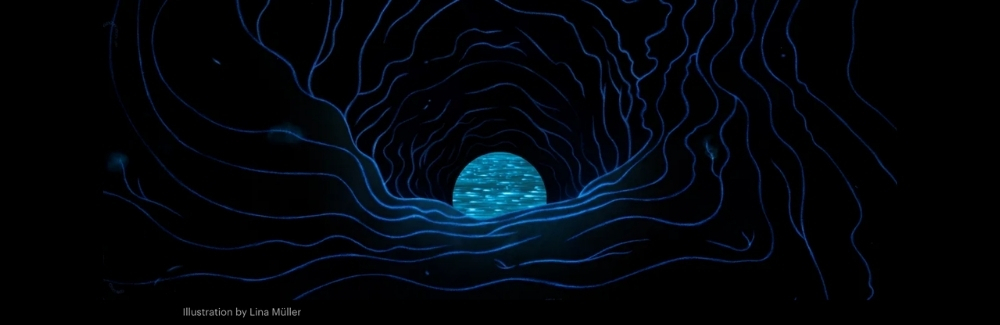
Editor’s note: This article features research conducted by Emil Ruff that began while he was a scientist at the Marine Biological Laboratory. He now teaches at the University of Bremen in Germany.
In March, I accompanied an international team of scientists on an expedition to one of the deepest places that humans have ever visited, a few hours outside Johannesburg, South Africa. Before sunrise, we drove to the entrance of the Moab Khotsong gold-and-uranium mine, joining a line of workers who were relieving the night shift. Security was tight; for years, mining companies have struggled to keep out illegal miners called zama-zamas, who sneak underground and collect ore at great danger to themselves. When guards finally cleared us and our gear, we walked through rotating gates into what resembled a suburban office park. At its center was a boxy concrete tower—a mine shaft that would carry us nearly two miles down into the earth.
The scientists had come not for precious metals but for something even more elusive: what they call dark oxygen. On Earth’s surface, plants and algae produce plentiful oxygen from sunlight and water, allowing us to live and breathe. At one time, scientists didn’t think that significant quantities of free oxygen, or O2, would be found anywhere else on the planet, in part because O2 reacts aggressively with other elements.