Comparative Developmental Biology
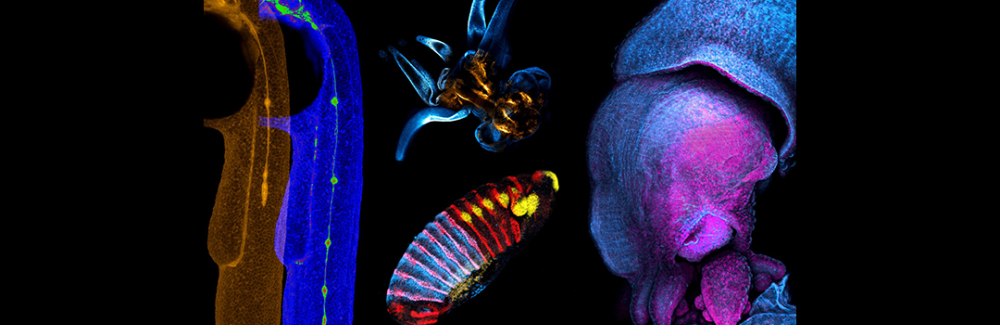
Comparative Developmental Biology is an intensive two-week laboratory course for graduate students in year two of their studies or beyond and post-docs, who seek a broad training in experimental approaches to developmental questions across diverse study organisms.
Directors: Nipam Patel, MBL; and Vicky Prince, Professor, Organismal Biology & Anatomy, University of Chicago
Course description:
This intensive comparative developmental biology course is designed for graduate students in their second or later year of Ph.D studies and post-docs. The two weeklong course will provide exposure to a combination of well-established and emerging developmental systems. Students will develop advanced experimental embryology skills—many of which are transferable across organisms—in the handling and cellular/genetic manipulation of embryos, including microinjection, lineage tracing, microdissection, cell transplantation, in situ hybridization, CRISPR/Cas mutagenesis, and 3D in vivo imaging. Students will develop an enhanced appreciation of the advantages each species offers, will be trained to think more comparatively (in a phylogenetic context), and will gain an appreciation of how best to select the appropriate species to address a specific question. They will be exposed to classic, recent, and developing methodologies and techniques and will learn about exciting ongoing research using these approaches. Developing and completing a short independent or team-based research project will enhance skills in hypothesis generation and experimental design.
Course Objectives
During this two-week course, students will gain hands-on familiarity with a range of traditional and emerging model systems in developmental biology. They will gain experience in microscopy, image acquisition and analysis, as well as in embryological, pharmacological, and molecular genetic approaches to address key questions in development and regeneration. Students will understand the specific advantages of each model system, gain insights into the types of problem that are currently being researched in each model, and gain experience with key cross-cutting techniques such as CRISPR/Cas mutagenesis, lineage tracing, and in situ hybridization. Students will also enhance their hypothesis building and experimental design and analysis skills through weeklong independent or small-team projects.
The following models are expected to be available in 2024: Zebrafish, Drosophila, Parhyale hawaiensis, Butterfly, Nematostella, Squid, and Skate.