A 37-year soil experiment revealed a hidden climate threat | Science Daily
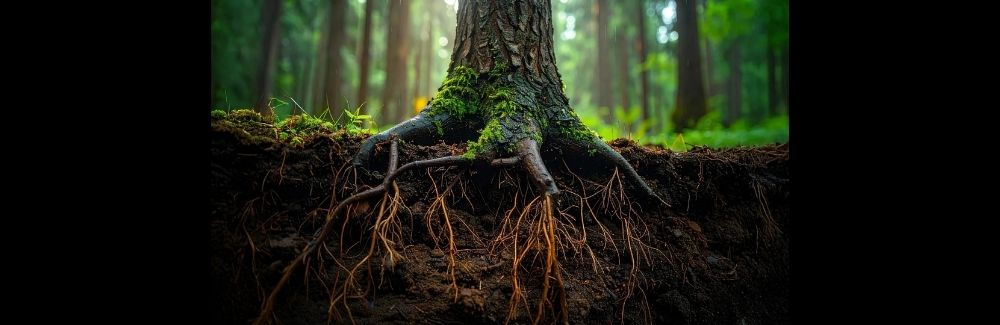
After nearly 40 years of research, scientists have uncovered evidence that challenges a long held assumption about forest soils. The world's longest running soil warming experiment suggests that even carbon once considered stable can begin to break down as temperatures rise, releasing additional CO2 into the atmosphere.
Jerry Melillo, a Distinguished Scientist at the Marine Biological Laboratory, has spent the past 37 years studying heated plots in the Harvard Forest in central Massachusetts. Throughout the experiment, researchers kept the soil at 5 °C above the surrounding ground year round.
According to Melillo, the team selected a five degree increase because it represented the upper range of global warming projections when the experiment began decades ago.
"Microbes are critical components of soil ecosystems because they break down organic matter and recycle elements essential for plant growth," explains Melillo. "As warming reshapes these microbial communities, it can speed the loss of carbon from soils."
The decades long experiment allowed researchers to watch how the soil responded over an unusually long period. During the fourth decade of warming, they observed that stable portions of soil organic matter, once believed to resist warming mediated decomposition, also began to break down.
Source: A 37-year soil experiment revealed a hidden climate threat | Science Daily